
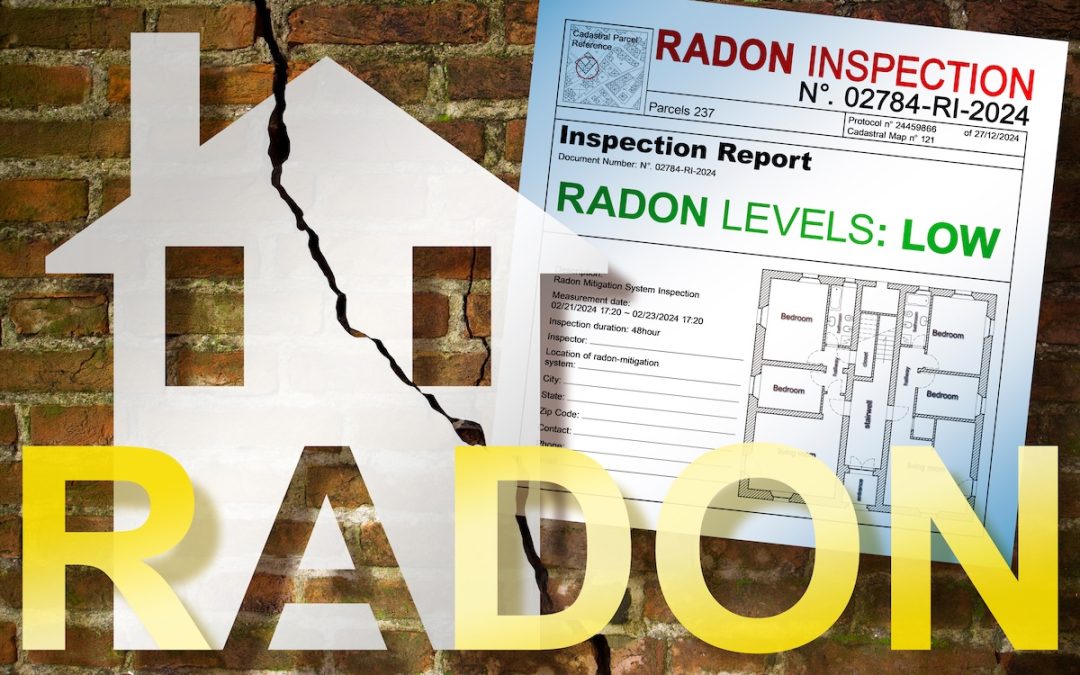
Radon is a colorless, odorless radioactive gas that can enter homes through foundations, cracks, and basement floors. In Massachusetts, radon is very common due to soil composition and the large number of homes with basements.
The only way to know a home’s radon level is through professional radon testing.
Why Radon is a Health Concern
Long-term exposure to elevated radon levels is recognized as a leading cause of lung cancer among non-smokers.
Because radon cannot be seen or smelled, testing is essential—especially before purchasing a home.
Our Radon Testing Method
At Blue Owl Home Inspection, we use electronic radon testing equipment designed for accuracy and reliability.
✔ Electronic Continuous Monitoring
- Time-stamped radon readings
- Highly accurate measurement over the testing period
✔ Clear Results
You receive a report showing:
- Average radon level
- EPA action thresholds
- Clear interpretation
✔ Practical Guidance
If levels are elevated, we explain:
- What it means
- Typical mitigation options
- What to do next
When to Test for Radon in Massachusetts
Radon testing is especially important for:
- Homes with basements or lower levels
- Older homes with foundation cracks or stone foundations
- Homes in areas known for higher radon zones
- Buyers who want peace of mind before closing
What Happens if Radon is Elevated?
If levels exceed recommended thresholds:
- Radon mitigation systems are highly effective
- Systems are commonly installed in Massachusetts homes
- Costs are typically modest compared to the value of the home
Bottom Line for Massachusetts Homebuyers
Radon is common, manageable, and worth testing for.
With accurate testing and clear interpretation, you can move forward with confidence—knowing exactly what you’re buying.
Schedule your radon test with your home inspection and get clear, reliable results.
Ready to schedule? Book online 24/7. You’ll see exact pricing before you confirm.
Schedule Online or call 978-852-4840